
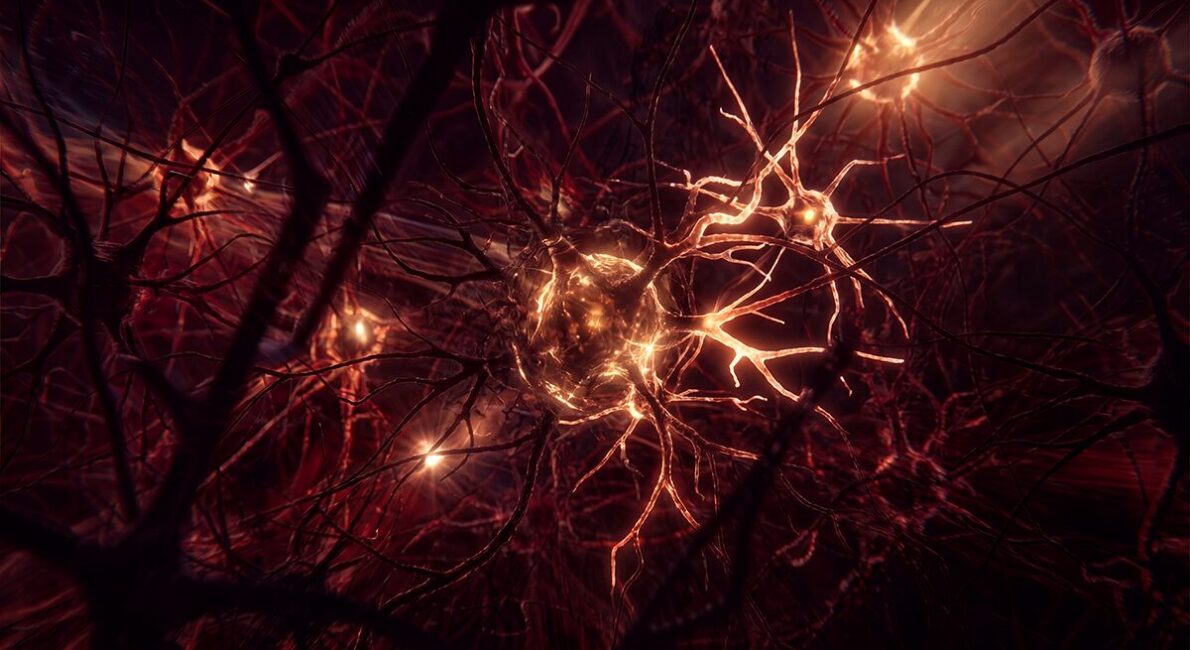
The 2026 Nobel Prize in Physiology or Medicine recognizes the discoveries that made optogenetics possible, a breakthrough that has transformed neuroscience. Karl Deisseroth, Peter Hegemann, and Georg Nagel received the prize for their work on light-sensitive ion channels and methods to control nerve cells with light.
The discovery began with a simple question: how can a single-celled green alga respond so quickly to light? Research into this phenomenon led to the discovery of channelrhodopsins, proteins that act as light-sensitive ion channels. When exposed to light, they open and allow ions to flow into a cell, generating an electrical signal. By introducing these proteins into specific neurons, researchers gained the ability to turn neuronal activity on or off using light with remarkable precision.
Since its introduction, optogenetics has become a powerful tool for investigating how the brain works. Researchers have used it to study neural circuits involved in memory, movement, sleep, pain, emotion, and many other functions. Today, it is widely used to explore how specific groups of neurons contribute to behaviour and brain function.
The success of optogenetics depends not only on light-sensitive proteins, but also on the ability to deliver light with extraordinary precision. As researchers have pushed the technique further, advances in optical instrumentation have become an important part of the story. One example is two-photon holographic optogenetics, which enables researchers to stimulate tens to hundreds of neurons with high spatial and temporal precision. These experiments rely on ultrafast femtosecond lasers that deliver the pulse energy needed to activate light-sensitive proteins in targeted neurons while minimizing unwanted effects in surrounding tissue.
The Nobel Prize highlights how curiosity-driven research, from studying a swimming alga to developing sophisticated optical methods, can fundamentally change our ability to explore the brain. Optogenetics illustrates how biology and photonics can work together to deepen our understanding of the brain.
Read the scientific or popular background article on the Nobel Prize website.